
Coordinated by Assistant Professor Sally A. Sherman
The Mind-Body Movement Lab at the PARC conducts research on the health benefits of mind-body physical activity, with a focus on understanding how movement modalities such as yoga and Pilates contribute to health and longevity. Dr. Sherman's work bridges exercise physiology and population health science, generating evidence to support the integration of mind-body practices into physical activity guidelines and public health recommendations.
Research Area
Mind-body movement practices such as yoga and Pilates have grown substantially in popularity over recent decades, yet they remain underrepresented in formal physical activity research and guidelines. The Mind-Body Movement Lab works to close this gap by applying rigorous scientific methods to better understand the health value of these modalities across the lifespan.
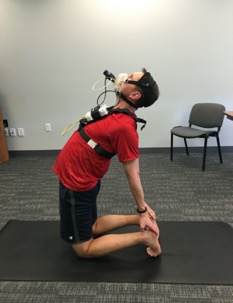 Foundational work from the lab established that vinyasa yoga meets the criteria for moderate-intensity physical activity, providing a scientific basis for treating yoga as a legitimate exercise modality comparable in metabolic demand to brisk walking. Subsequent population-level research using data from over 26,000 adults in the National Health Interview Survey found that adults who practiced yoga while also meeting combined aerobic and strength training guidelines had 51% lower all-cause mortality risk compared with those who met guidelines without yoga — a finding consistent across both men and women. These results suggest that mind-body practices may confer protective health benefits independent of, and additive to, those achieved through conventional exercise.
 Building on this foundation, the Mind-Body Movement Lab is currently investigating Pilates as both a physical activity modality for healthy adults and as a movement intervention for aging populations. This work examines how structured Pilates practice influences physical function, mobility, and health outcomes, with the broader goal of informing more inclusive physical activity recommendations that reflect the diverse ways people move throughout their lives.